Generative Engine Optimization (GEO): Technical Hosting & Speed Requirements for AI Search
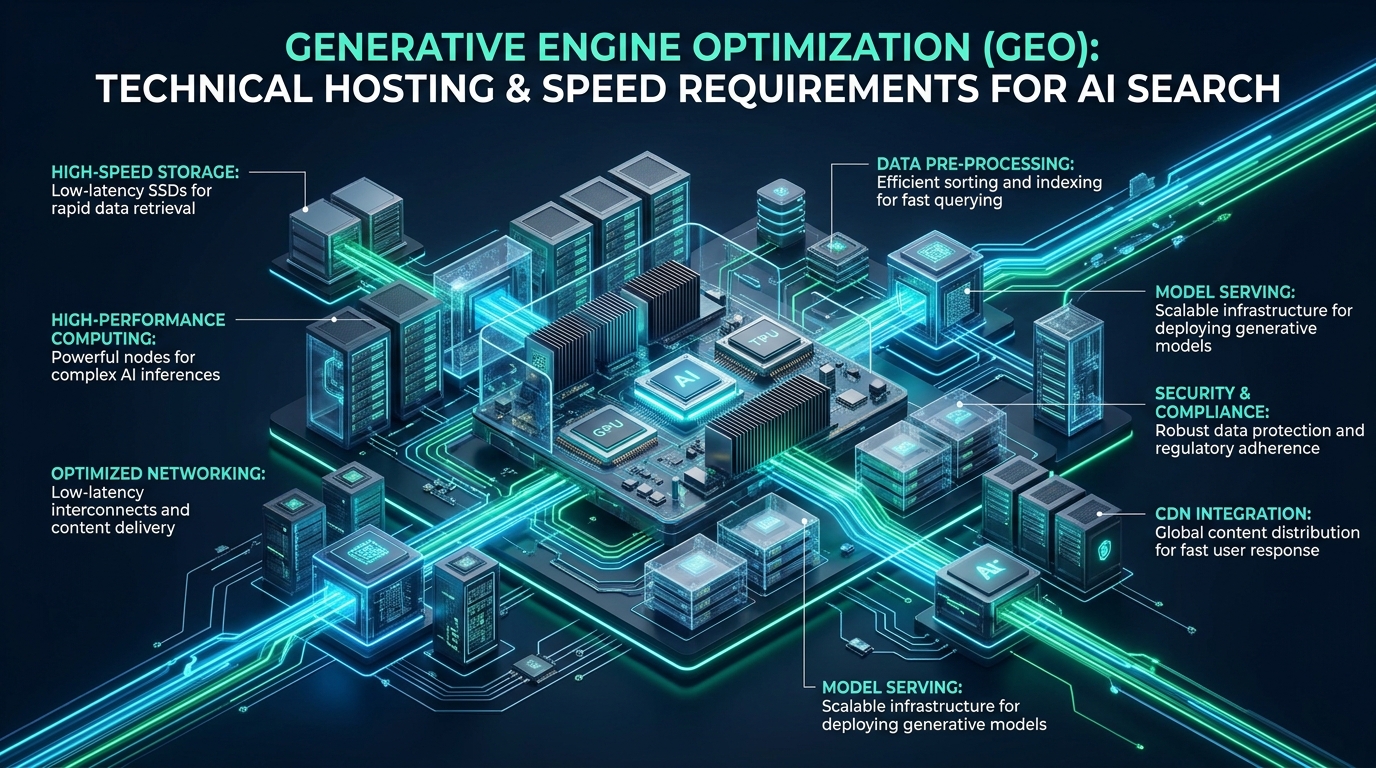
Learn low-latency hosting requirements for Generative Engine Optimization (GEO). Master kernel tuning, sub-200ms TTFB, and bot caching for AI search crawlers.

/BlogZero-Cost CloudBrowse all engineering tutorials and benchmarks tagged with #Databases & Performance.
Learn low-latency hosting requirements for Generative Engine Optimization (GEO). Master kernel tuning, sub-200ms TTFB, and bot caching for AI search crawlers.

Comprehensive guide to autonomous Linux server management using AI agents. Build closed-loop self-healing daemons, PSI telemetry, and eBPF observability.
Compare AI website builders vs traditional web hosting architectures. Analyze performance, vendor lock-in, TTFB benchmarks, and server control for 2026.
Discover how the llms.txt standard optimizes websites for AI search crawlers. Learn markdown structure, Nginx delivery, and Linux kernel ingress tuning.
AI workloads are transforming web hosting architectures. Explore the 7 major shifts from edge inference caching to eBPF Linux kernel optimization.
Master enterprise Nginx ModSecurity setup using libmodsecurity3 and OWASP CRS v4. Discover production configs, performance tuning, and audit logging.
Master the Linux dd command to write bootable hybrid ISOs to USB flash storage safely. Includes block size benchmarks, kernel cache tuning, and verification.
Master native Bash parameter expansion to eliminate subshell forks. Boost automation performance and script reliability across Linux.
Configure Restic for encrypted, deduplicated off-site backups to S3 and B2. Includes production systemd timers, automated scripts, and benchmarks.
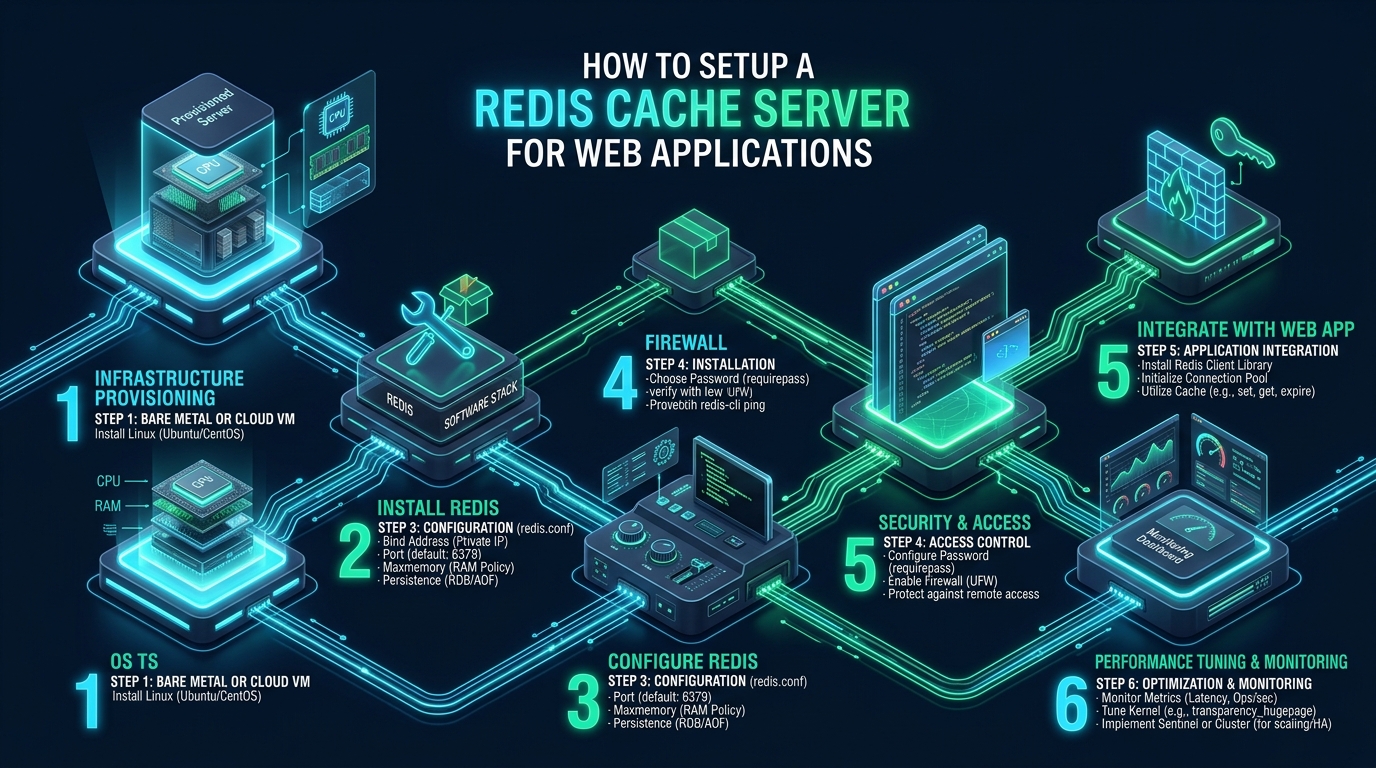
Deploy a high-performance Redis cache server on Linux. Master kernel tuning, memory eviction policies, socket security, and web framework integration.